Making the Impossible Possible
"Age, background, and location don't matter. All you need is empathy, commitment, and the desire to make a difference."
🌍 DNLE — The World's Largest Online Classroom & Most Nations Represented
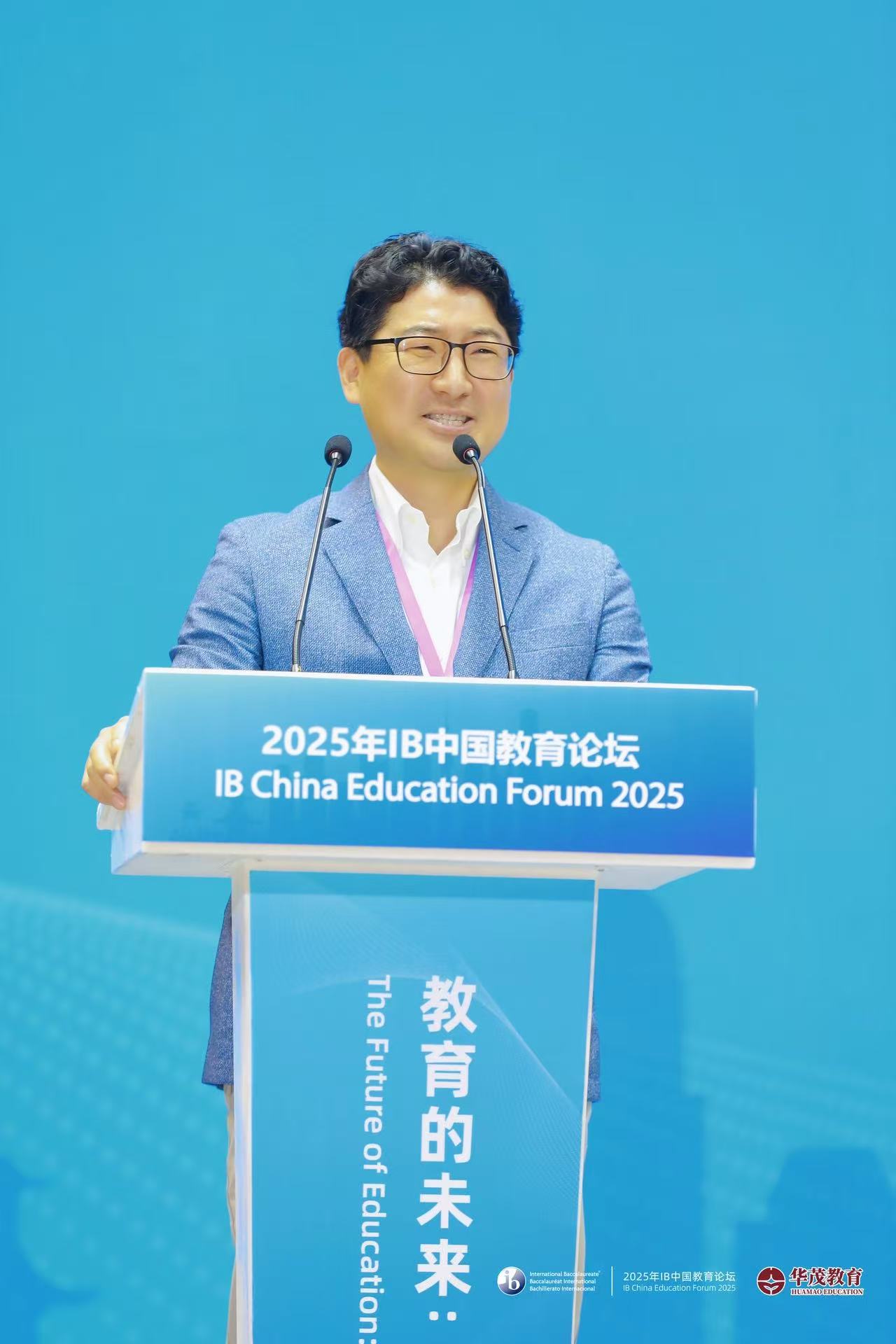
In 2012, Dr. Paul Kim launched "Designing a New Learning Environment" (DNLE) — a Stanford MOOC that set two records: the world's largest simultaneously-run education classroom and the most nations ever represented in a single online course. Close to 20,000 students from 173 countries enrolled and studied together. Over 6,200 students earned certificates of completion — a completion rate 2–6× higher than the typical MOOC average.
Students worked in international teams to design innovative, technology-enhanced 21st-century learning environments. The course challenged the assumption that learning must mean reading, memorizing, and testing — instead asking: Could technology make learning more interactive, collaborative, and constructive?
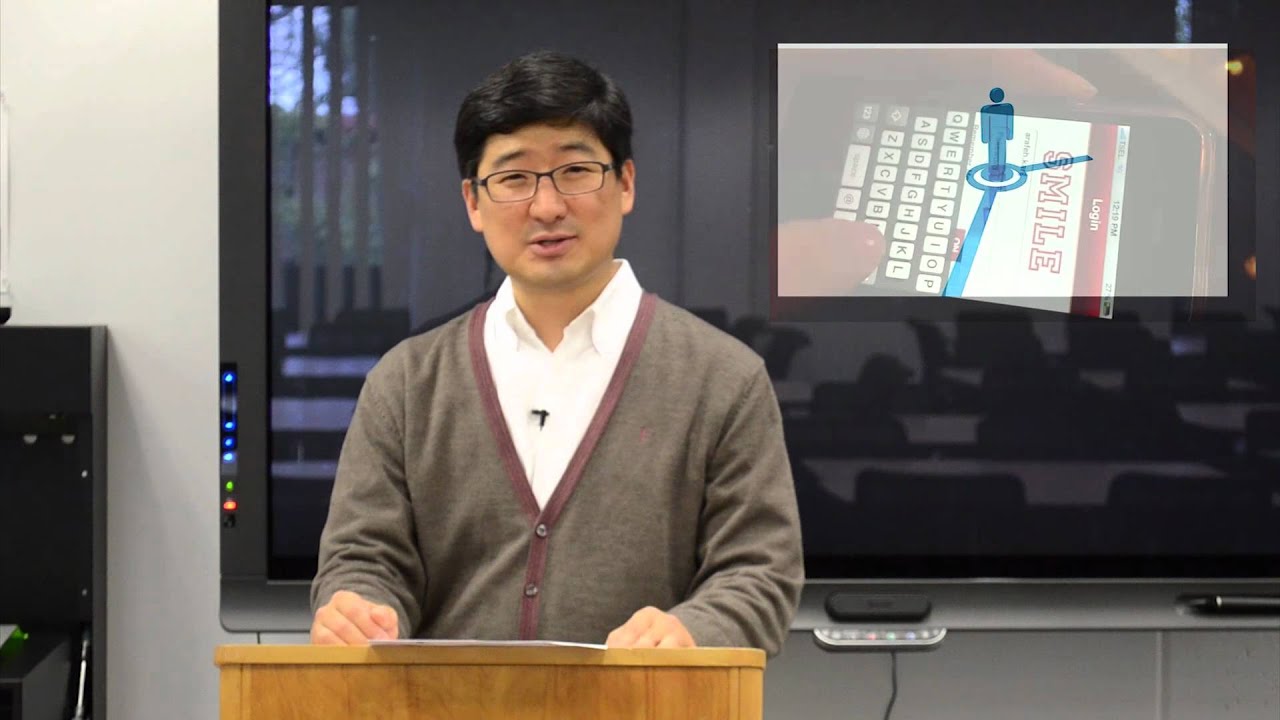
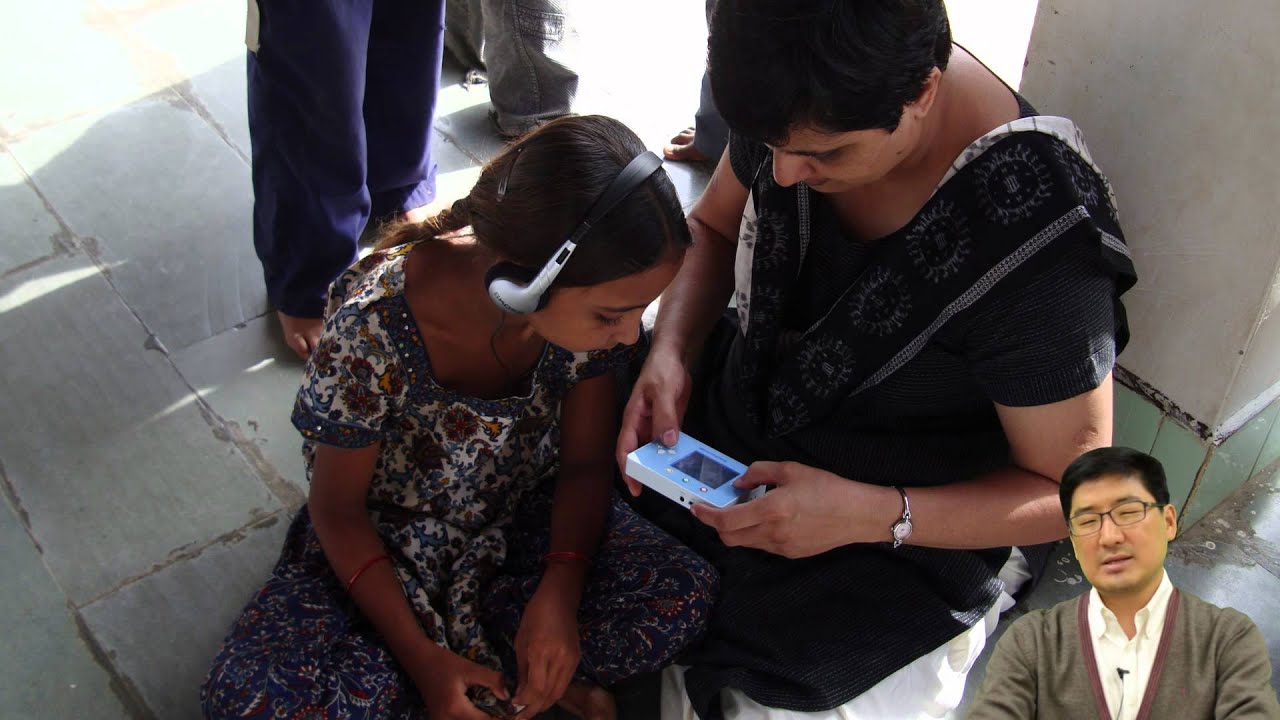
What made it legendary: Dr. Kim delivered lectures from Tanzania using just a mobile phone, managing 20+ teaching assistants across time zones, while electricity and internet were unreliable. The course was delivered via NovoEd (a Stanford spin-off platform) and proved that world-class education could reach anyone, anywhere.
🇰🇿 AI-SANA — 100,000 Students Trained in AI & Entrepreneurship Across Kazakhstan
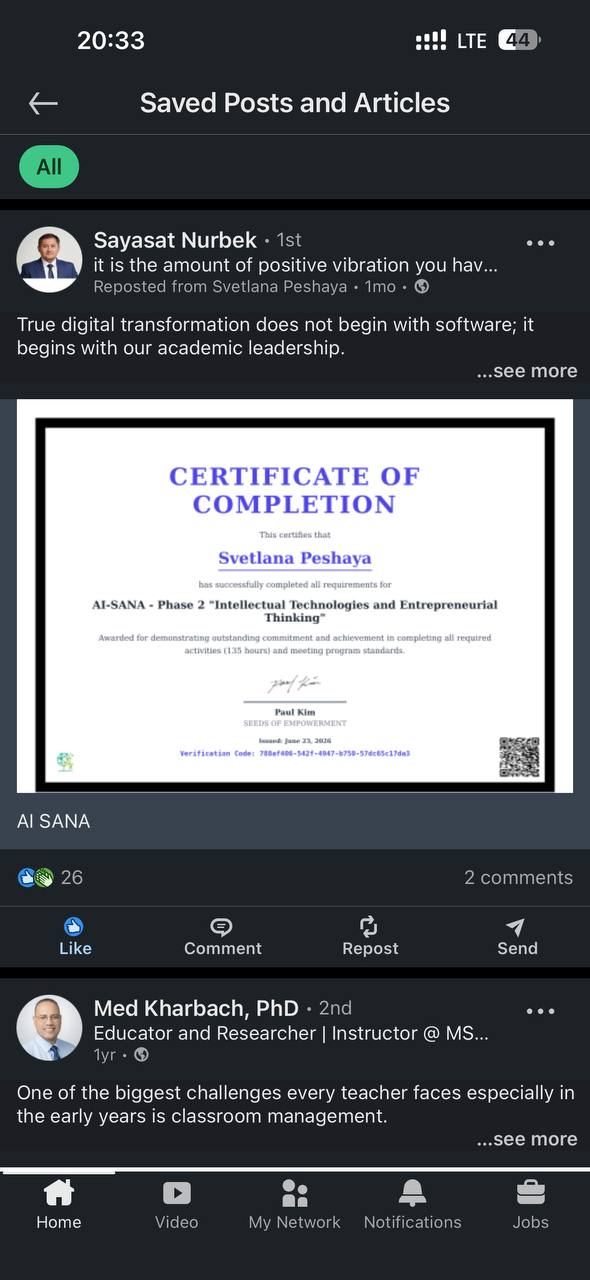
Led by Dr. Paul Kim, AI-SANA is a national AI and entrepreneurship education program commissioned by the Government of Kazakhstan. Over 100,000 students have completed the program so far — with additional phases still rolling out. The curriculum spans 135 hours of hands-on learning: from machine learning fundamentals and Python coding in Google Colab, to venture capital mechanics and full startup capstone projects.
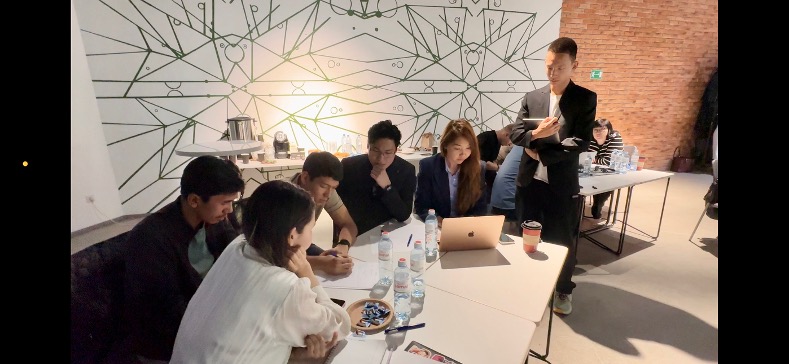
Built on Stanford's design thinking methodology and the "Never Assume" principle, the program uses the SMILE platform for AI-powered assessment and personalized feedback. Students work in teams of three, following the L-E-L-E pattern (Lecture → Experiment → Lecture → Experiment), solving real problems in Kazakhstan's key industries — agriculture, healthcare, finance, and education.
The best student projects are published in the Peer Gallery, and top performers gain access to the Alem.ai Residency. A series of programs continues to expand the initiative across Central Asia.
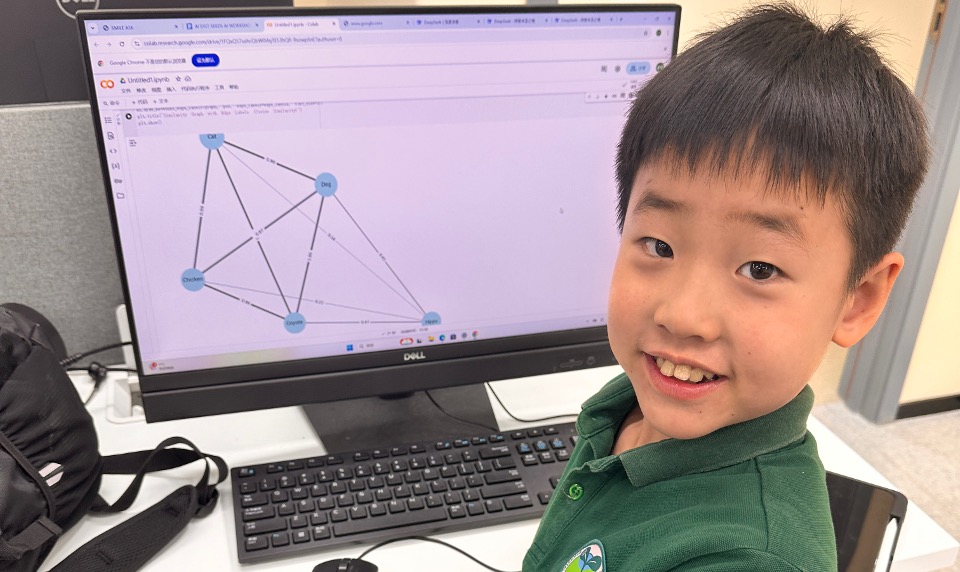
5th Grader Leo — Building an African Agricultural Drone System with AI
Learned cosine similarity through copy-paste-run, then built and deployed a 10-drone African farmland survey app on Replit.
AG · Copy Paste Run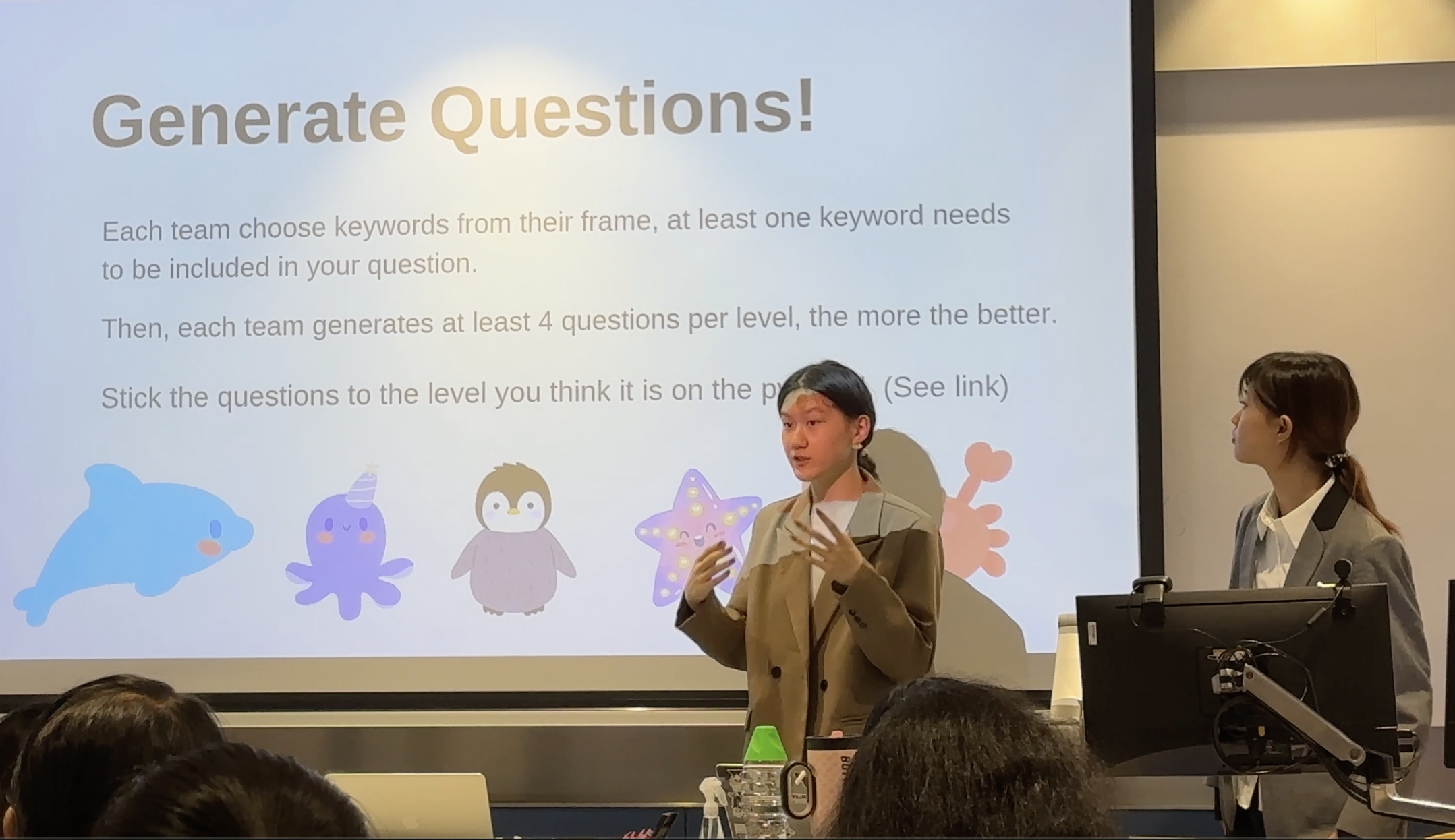
High Schoolers Idina & Elsa → AI Workshop for HKU Professors
Trained high school students led AI and SMILE teaching workshops for university professors.
Students Teaching Professors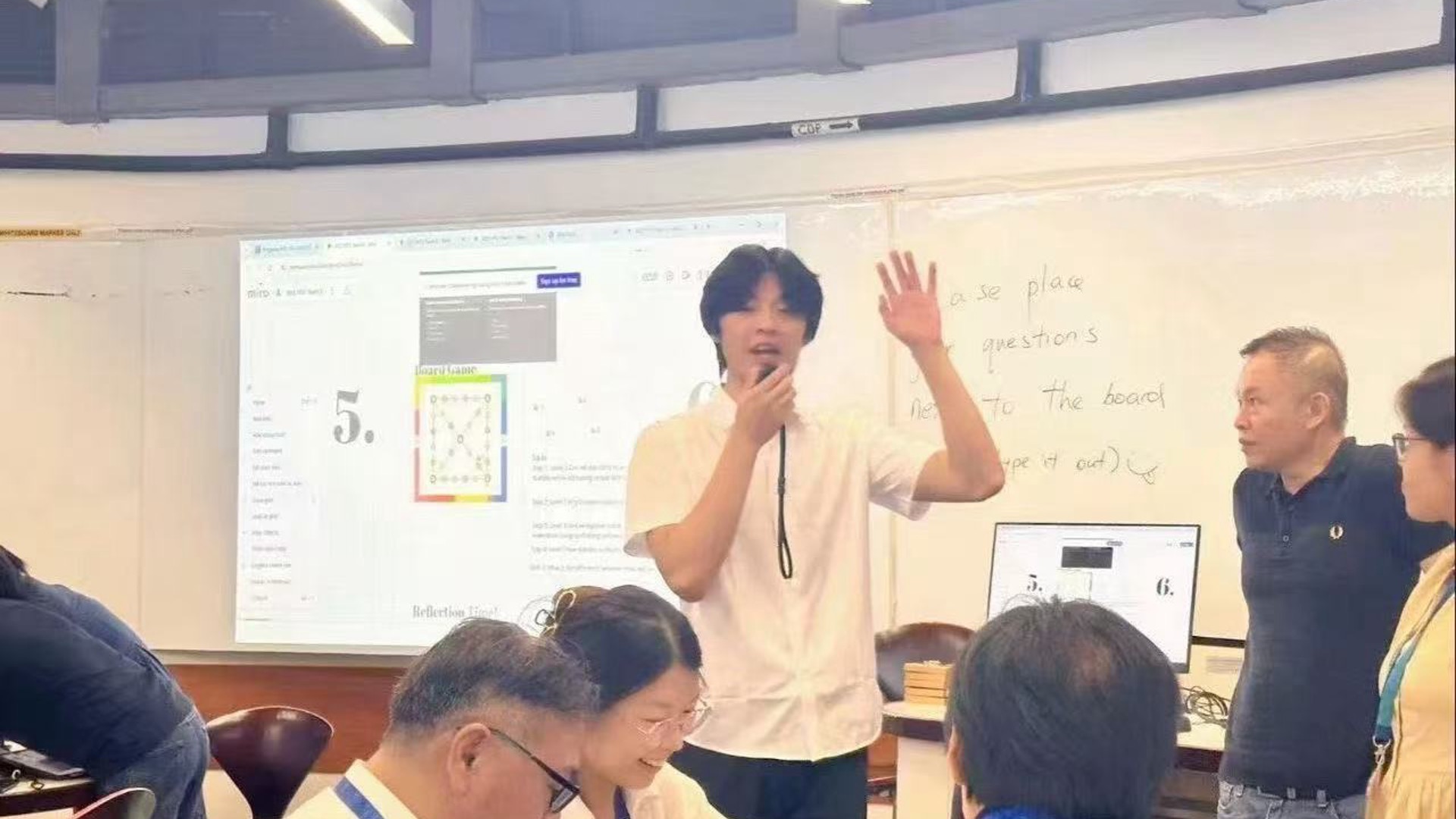
High Schooler Samuel → AI Workshop for NTU Singapore Professors
High schooler Samuel led SMILE and AI workshops for NTU Singapore faculty.
Students Teaching ProfessorsHigh Schoolers → Design Thinking & SMILE Workshop for Kazakhstan University Students
In partnership with the Ministry of Science, high schoolers led AI and entrepreneurship workshops for university students abroad.
Education Without Borders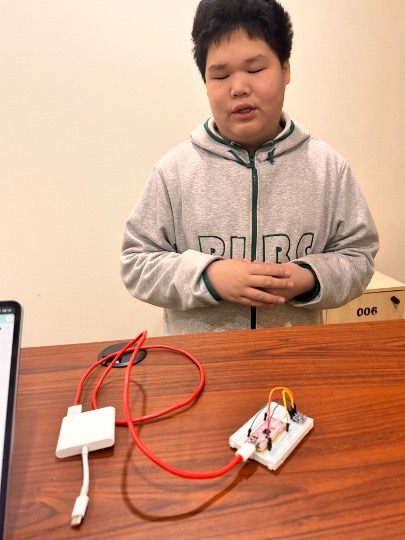
High Schooler Alex — Bird Song Analysis AI Model + $50K Kaggle Challenge
Built an AI model for bird species identification via frequency analysis, then played it back to birds. Entered the $50,000 Kaggle challenge.
AI Science Research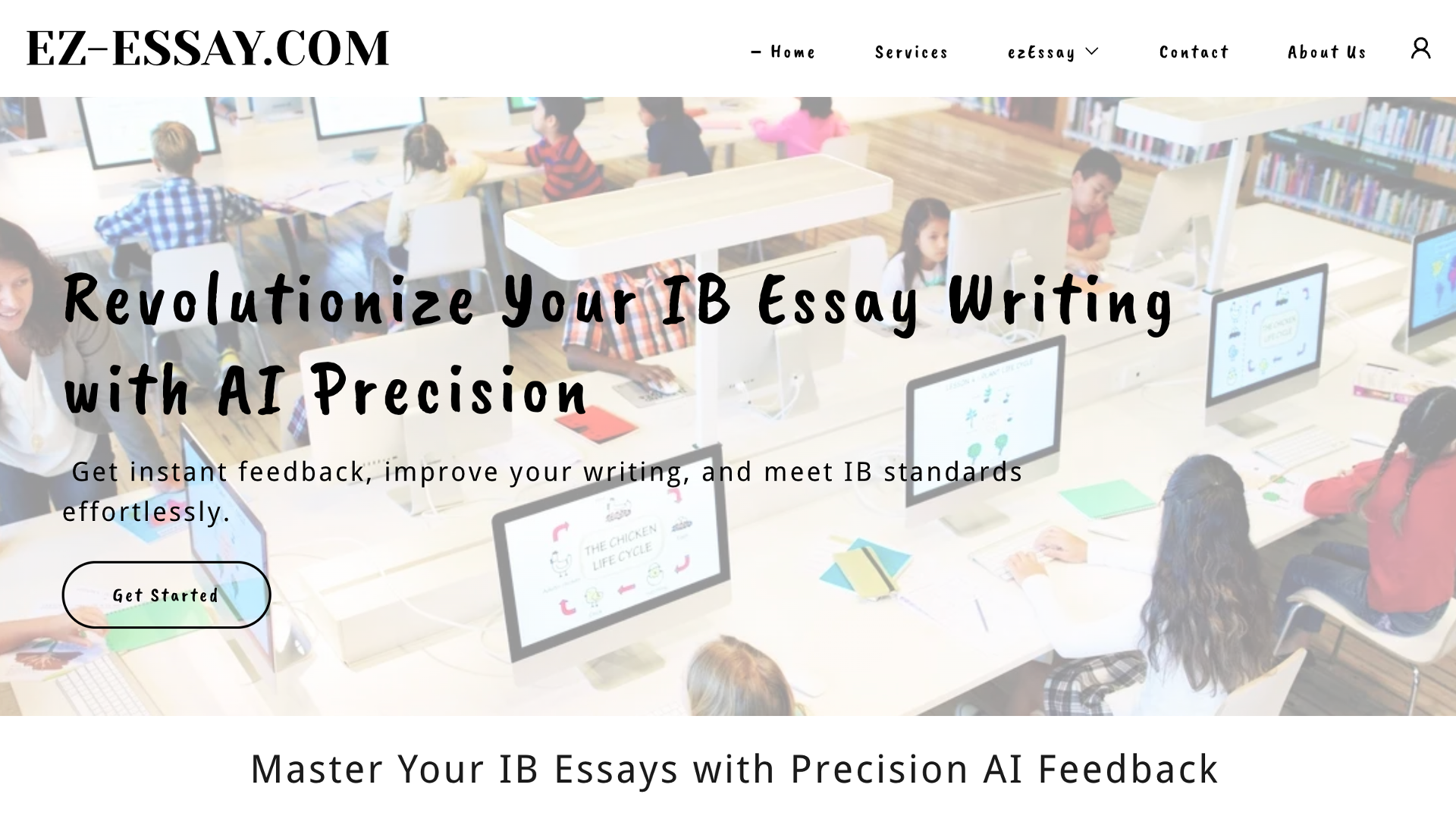
10th Grader Anan Pan — An IB Essay Evaluation Startup
After completing the AI curriculum, developed and launched an IB essay assessment AI service. Became a CEO in 10th grade.
AI Native Startup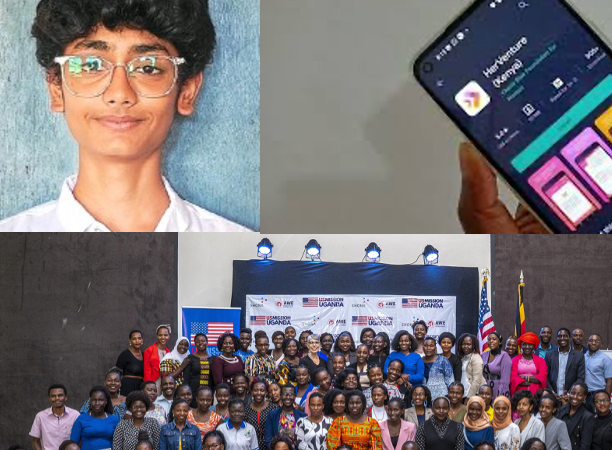
High Schooler Ansh → Mobile App for Rural Ugandan Women Entrepreneurs
After visiting rural Uganda, built a mobile app to support women entrepreneurs. Adopted by the Ministry of ICT.
Student App Adopted by Government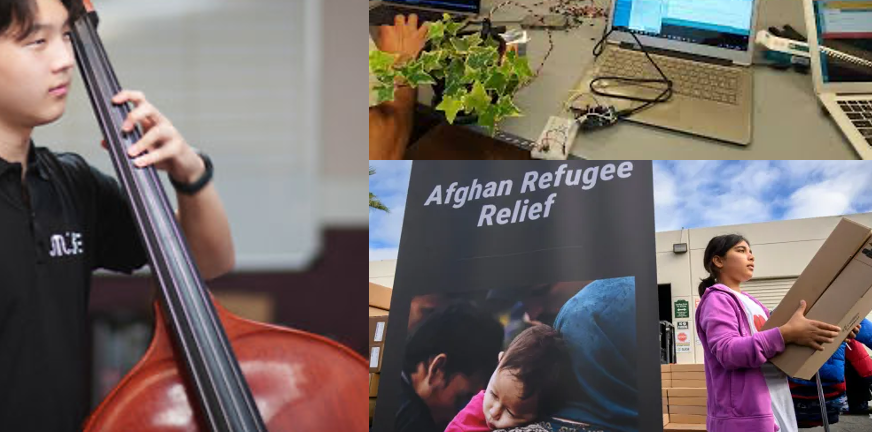
Ian — Chemistry Music + Afghan Refugee Education
A student passionate about music and chemistry. Used AI to create music from chemical reactions, then developed this into an education program to teach Afghan refugee children on weekends.
Music × Science × Service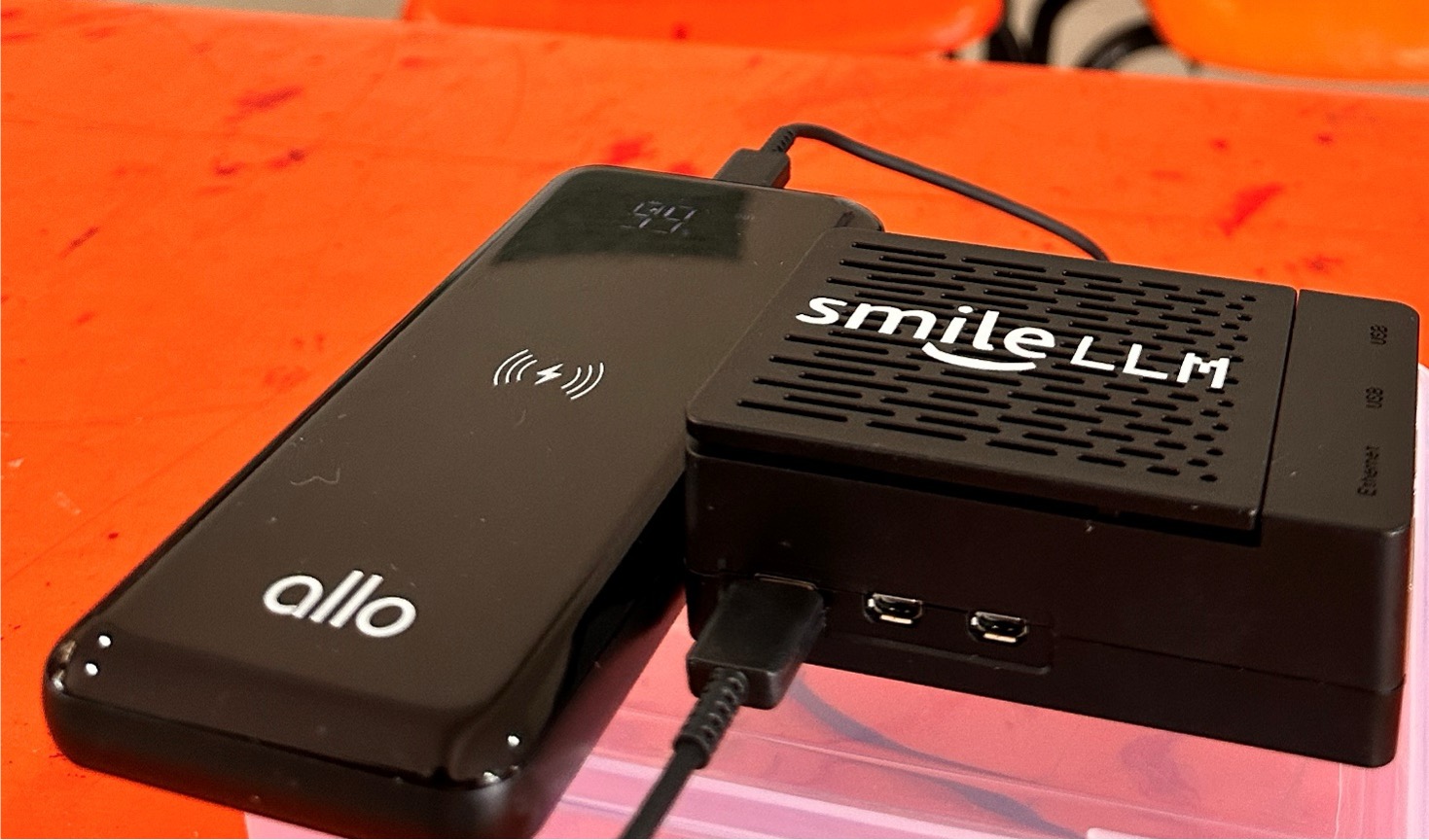
Raspberry Pi Portable LLM → Wixárika Indigenous People
Loaded Llama 3 on a battery-powered Raspberry Pi. Preserving endangered languages and interviewing AI ancestors.
AI for Language Preservation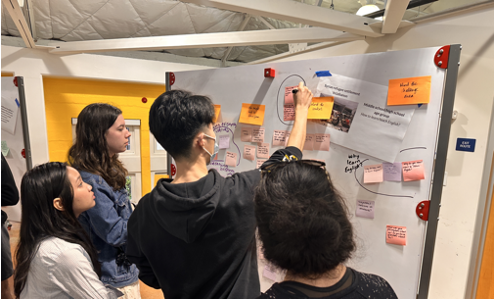
Stanford d.school — Designing Education Solutions for Syrian Refugee Students
Captured refugee camps in 360° VR and recreated refugees with LLMs. Talk to refugees virtually, even when you can't be there.
VR × LLM × Empathy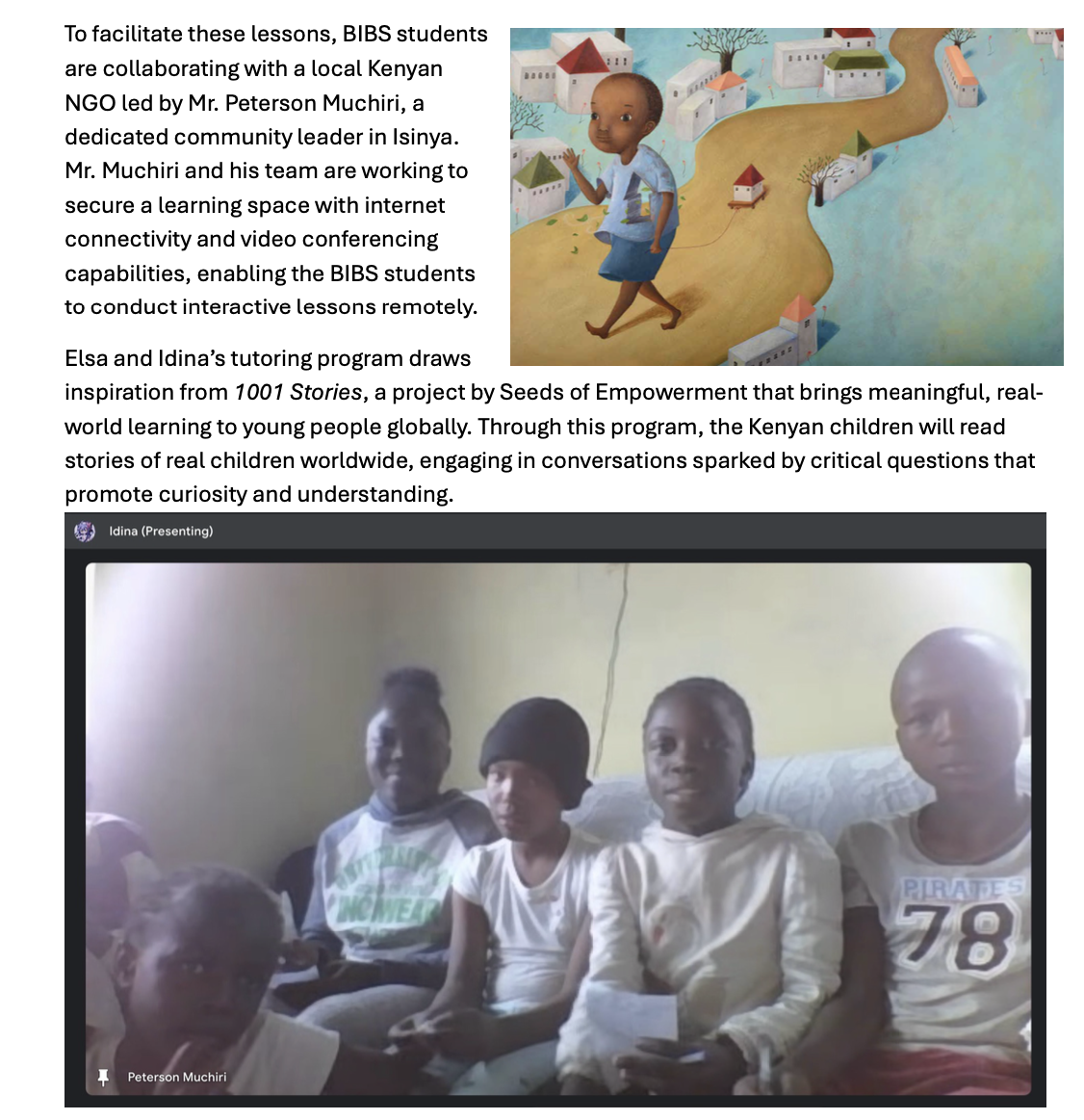
Idina — Online English Education from China to Kenyan Elementary Students
High schooler Idina in China teaches English online to Kenyan elementary students weekly through the Across Borders project.
Across Borders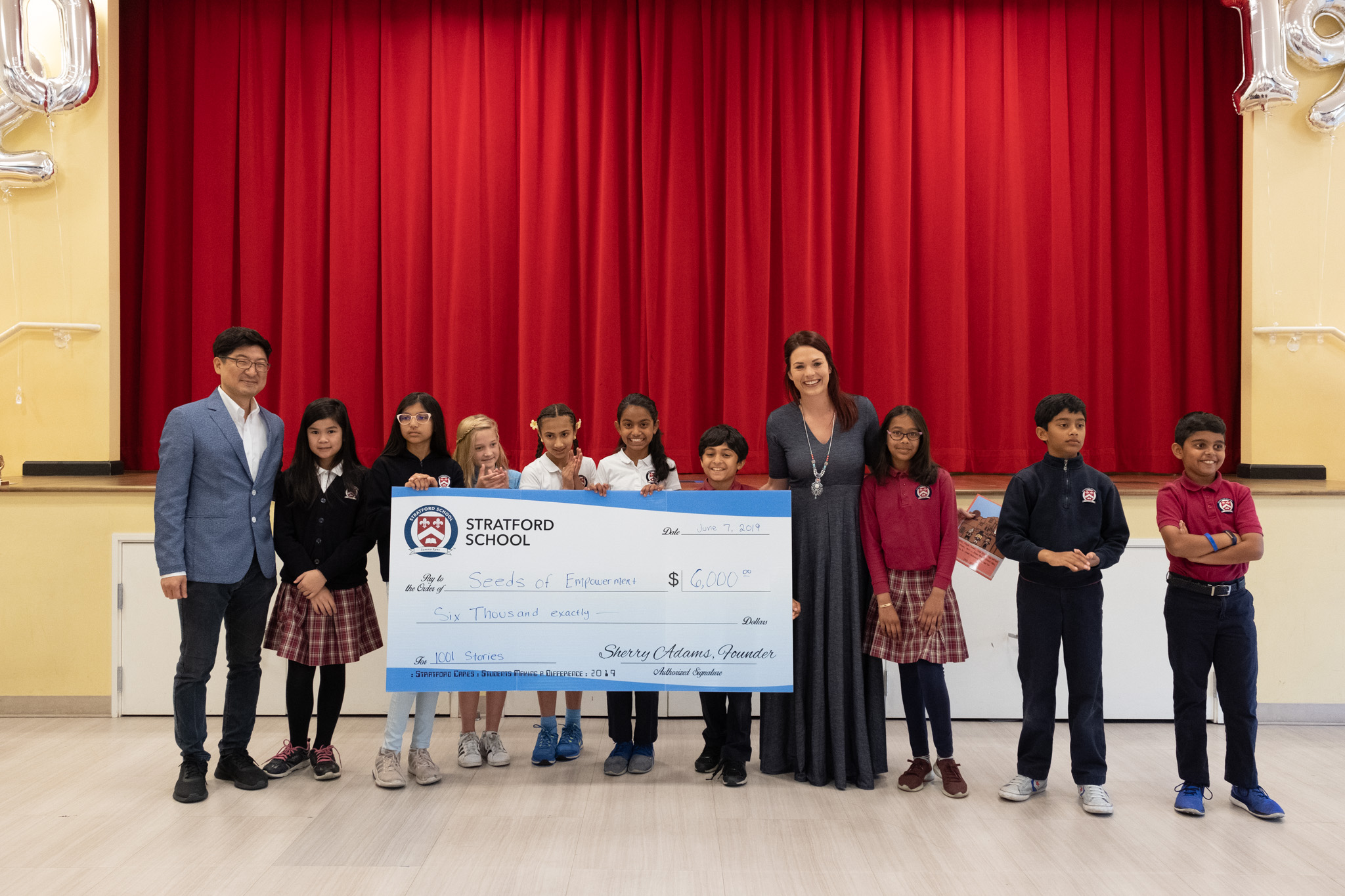
5th Graders — Raising Scholarships for Ghanaian Students
Silicon Valley 5th graders published Ghanaian students' 1001 Stories as books, organized fundraisers, and delivered scholarships directly to students in Ghana.
1001 Stories · Scholarships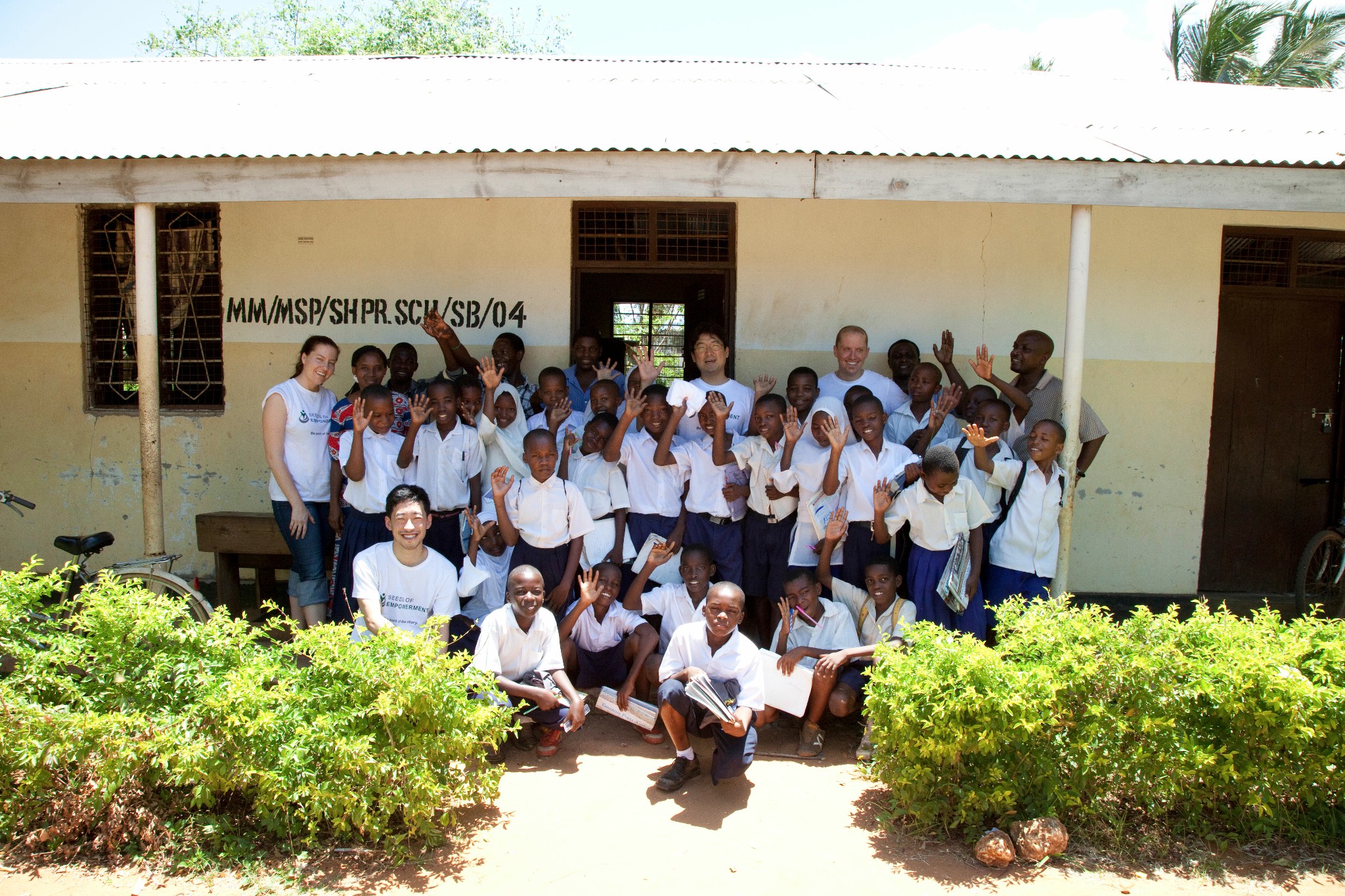
College Students Travel to Tanzania for SMILE and 1001 Stories Projects
College students travel to Tanzania for SMILE and 1001 Stories projects.
SMILE · 1001 Stories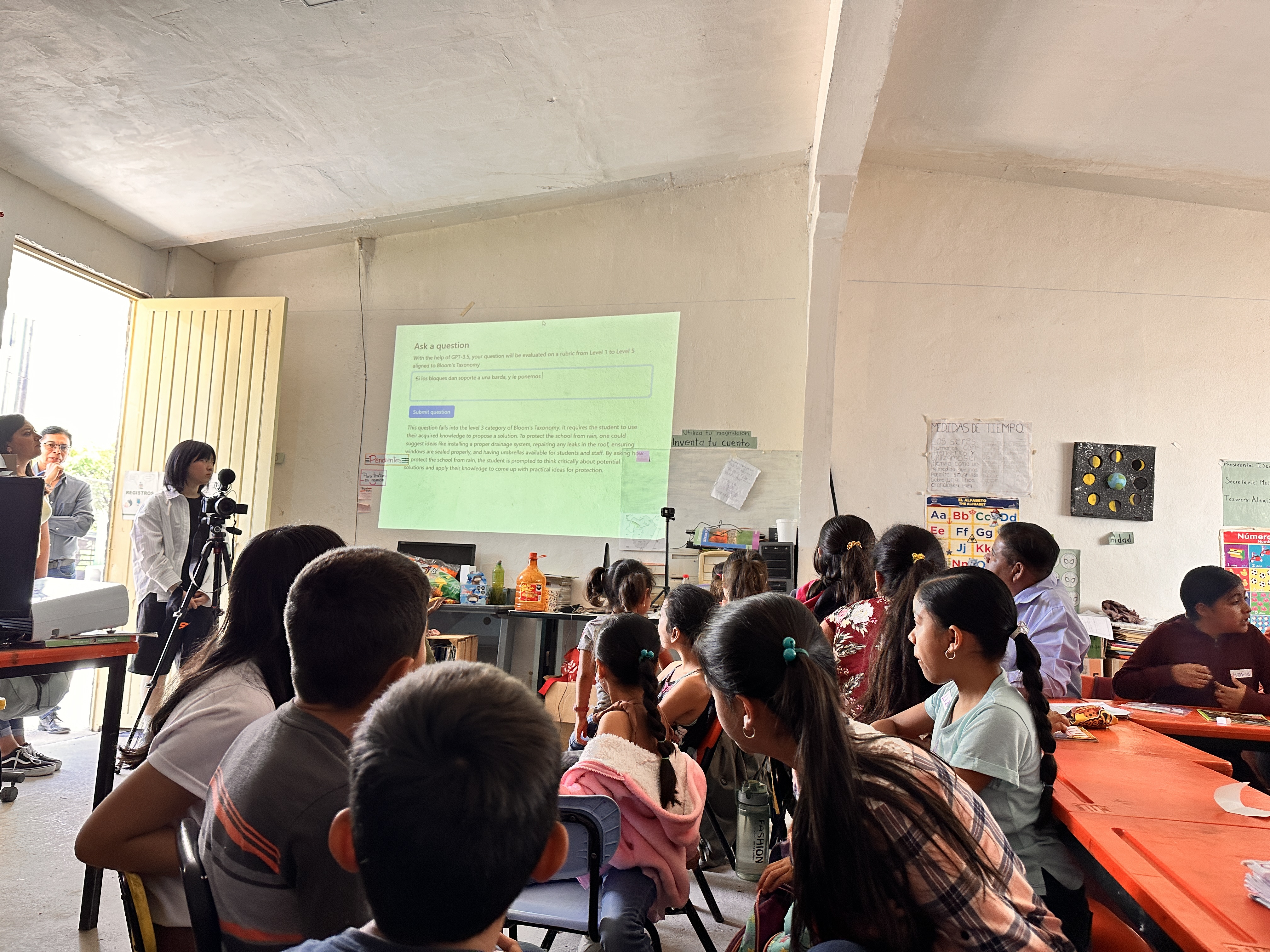
Korean College Students Take SMILE Portable LLM to Rural Village School in Mexico
Korean college students take SMILE portable LLM to rural village school in Mexico.
SMILE · Portable AI
College Students Take SMILE to a Rural Village School Near Nellore, India
College students take SMILE to a rural village school near Nellore, India.
SMILE · India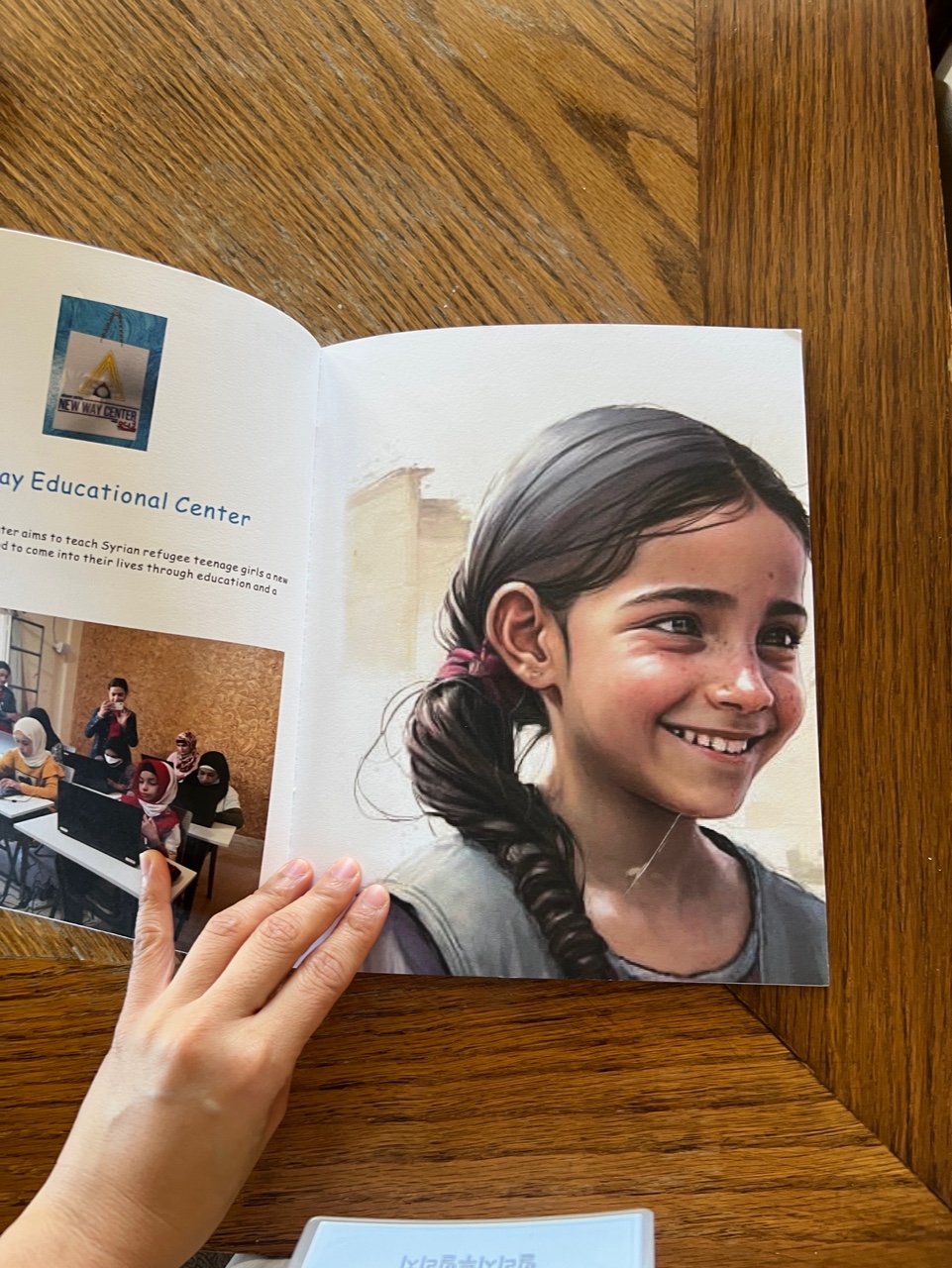
Syrian Refugee Children in Lebanon Publish Their Life Stories Using AI
Syrian refugee children in Lebanon publish their life stories using AI.
AI · 1001 Stories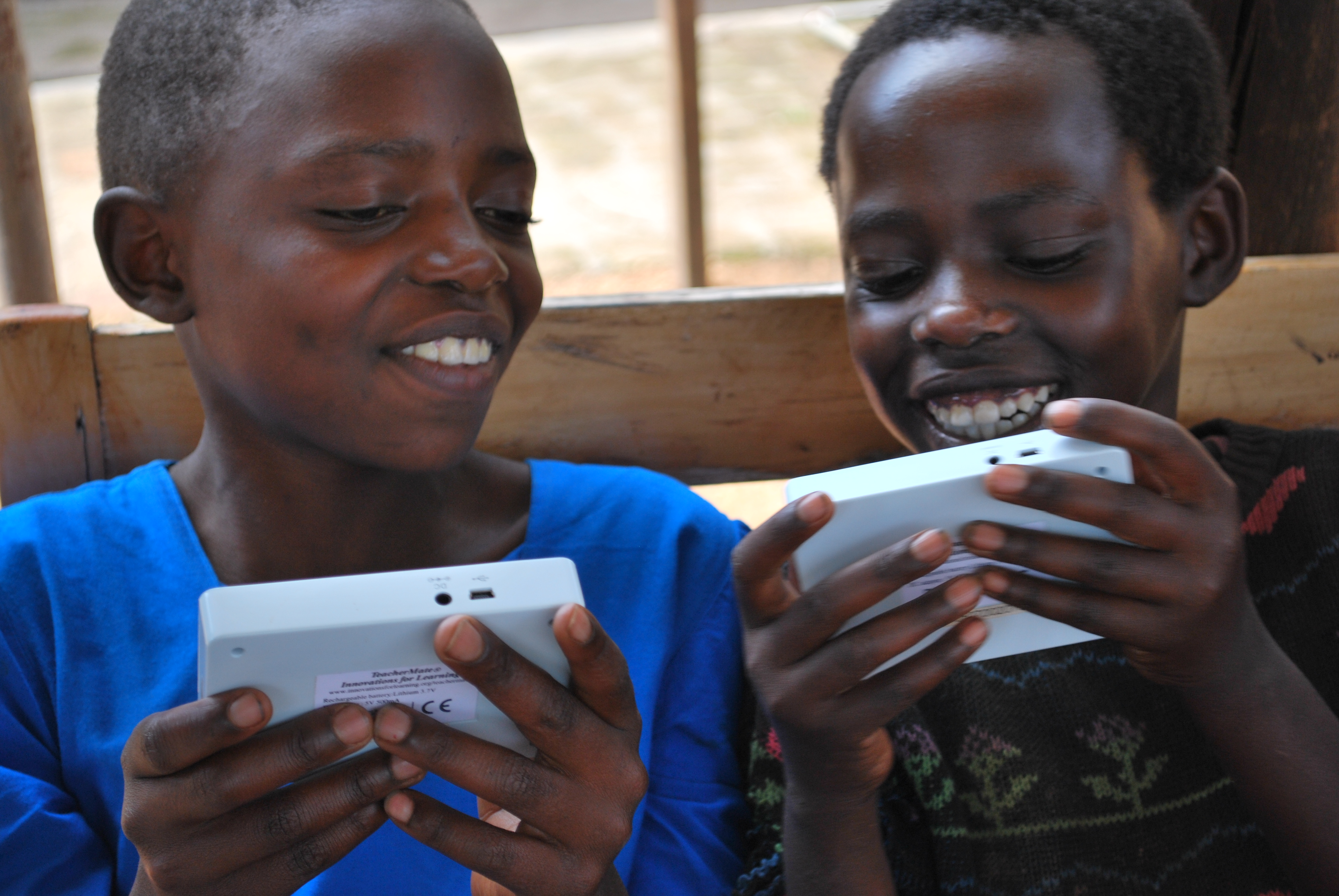
Rural Village Students in Rwanda Develop Literacy and Numeracy Skills Through Mobile Devices
Rural village students in Rwanda develop literacy and numeracy skills through mobile devices.
SMILE · Rwanda